
Public circulation
Identify entrances, atriums, corridors and washrooms, with floor materials and busy trading periods.
FOR RETAIL STORES AND SHOPPING MALLS
PAC helps mall operators, retail property teams and store managers scope floor care, AC, ducts, pest control, food-court kitchen work and building maintenance. Define common-area and tenant responsibilities, then plan work around trading hours, customer movement and approved access windows.
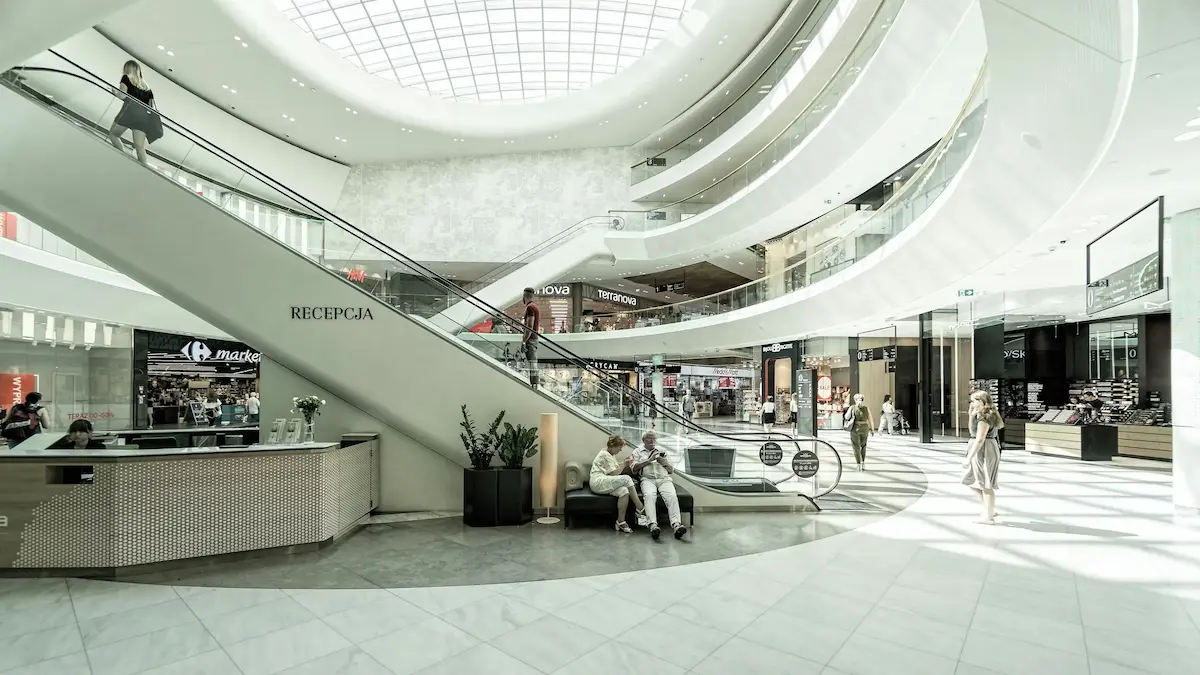
Property context
A mall operator may control common areas and central equipment while tenants manage individual units. Name those boundaries before requesting work or pricing.
What PAC should review
The scope should reflect visitor footfall, trading hours, service corridors and the assets serving each zone.
Identify entrances, atriums, corridors and washrooms, with floor materials and busy trading periods.
Name the shops PAC may enter, the approving contact and any landlord or tenant responsibilities.
Separate dining areas, kitchens, waste areas and loading routes. Record service windows and access permissions.
Record sites, zones, assets, tasks, visit pattern, access rules, completion records and exclusions.
Relevant PAC services
These PAC categories can be scoped individually or considered together after the property, tenant responsibilities and access requirements are reviewed.
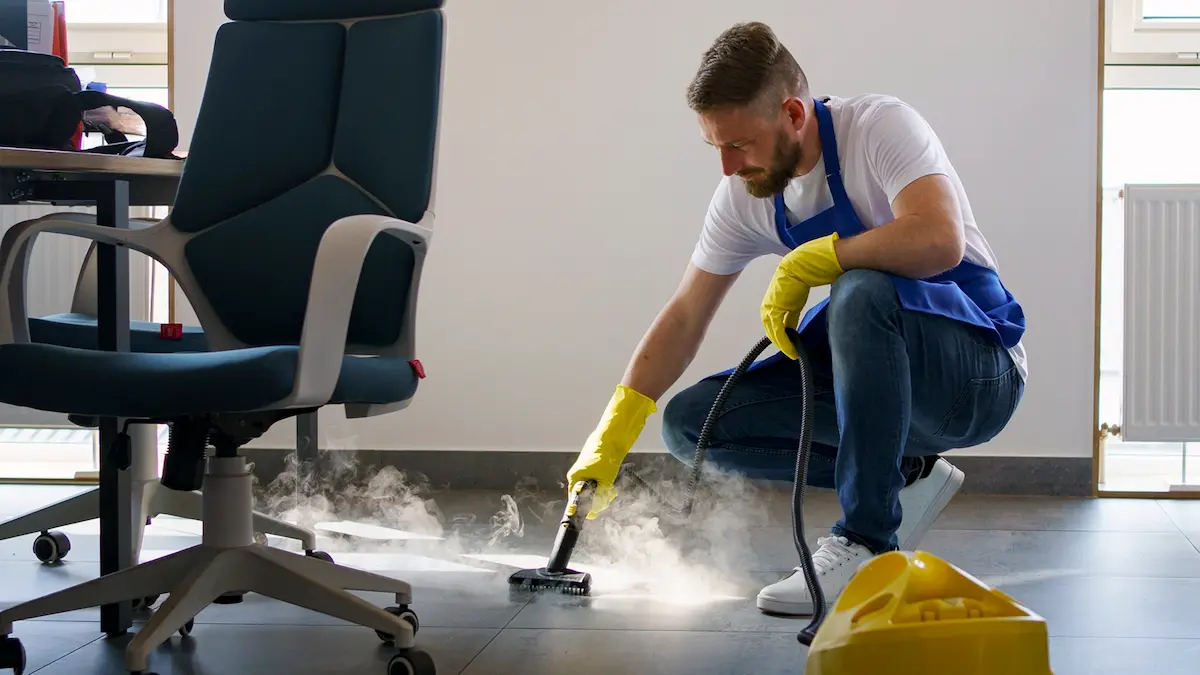
Define specialist floor care for entrances, atriums and corridors by material, footfall and permitted working time.
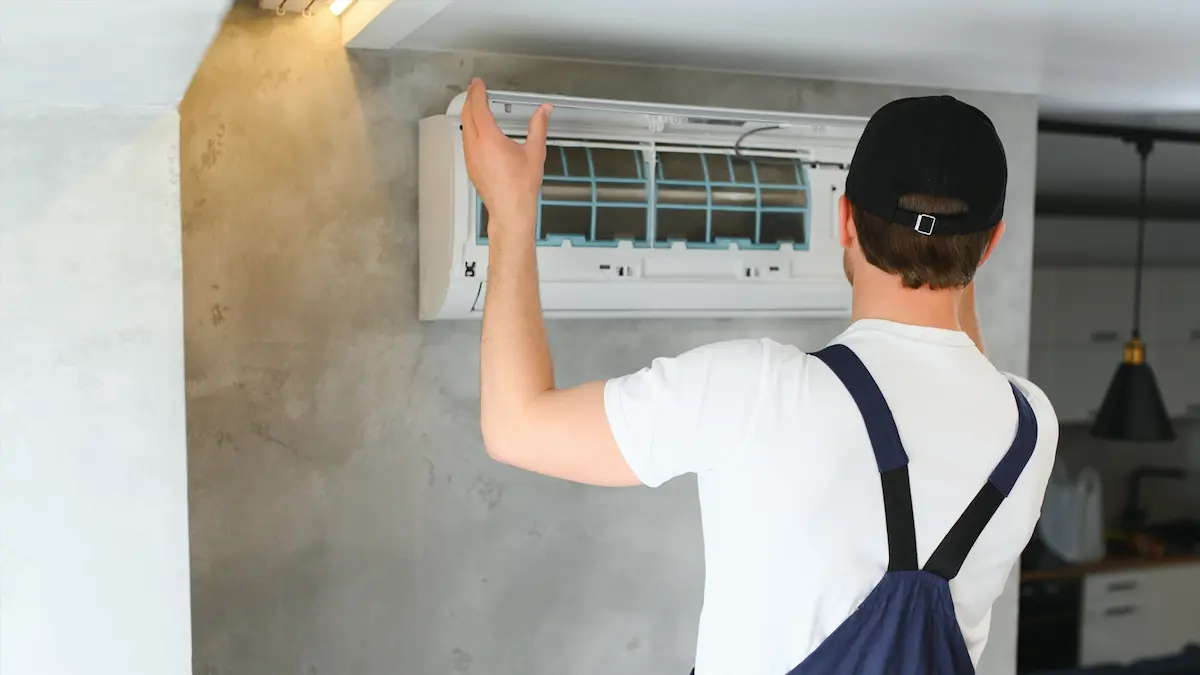
Review AC cleaning and maintenance for agreed retail and common zones. Identify unit types, ownership and accessible components.
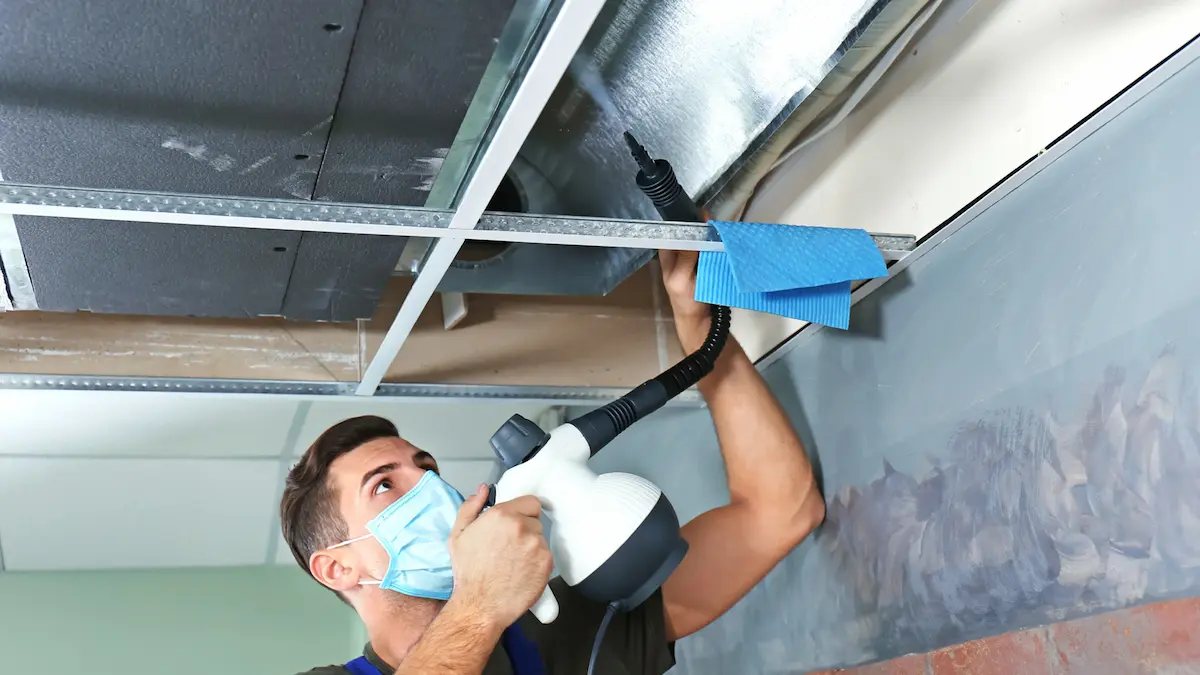
Map ventilation ducts, grilles and access points. Separate AC equipment care from duct cleaning and any kitchen exhaust work.
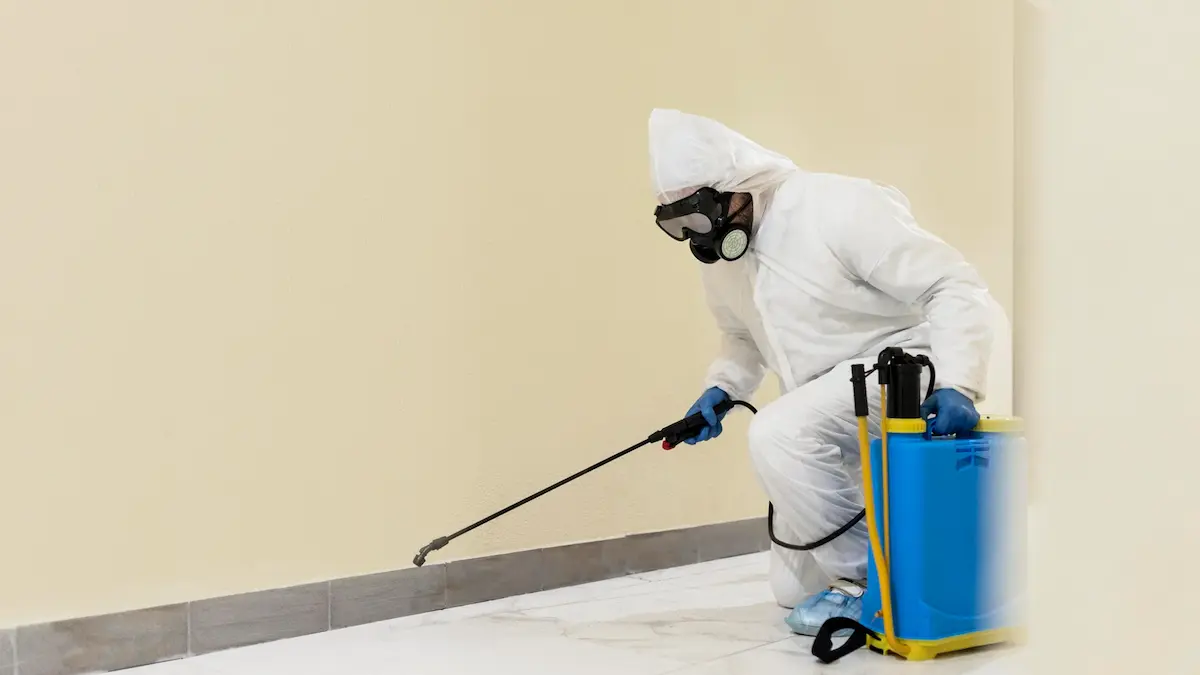
Share sightings, waste-area concerns and previous treatment records so inspection and any treatment can be planned by zone.
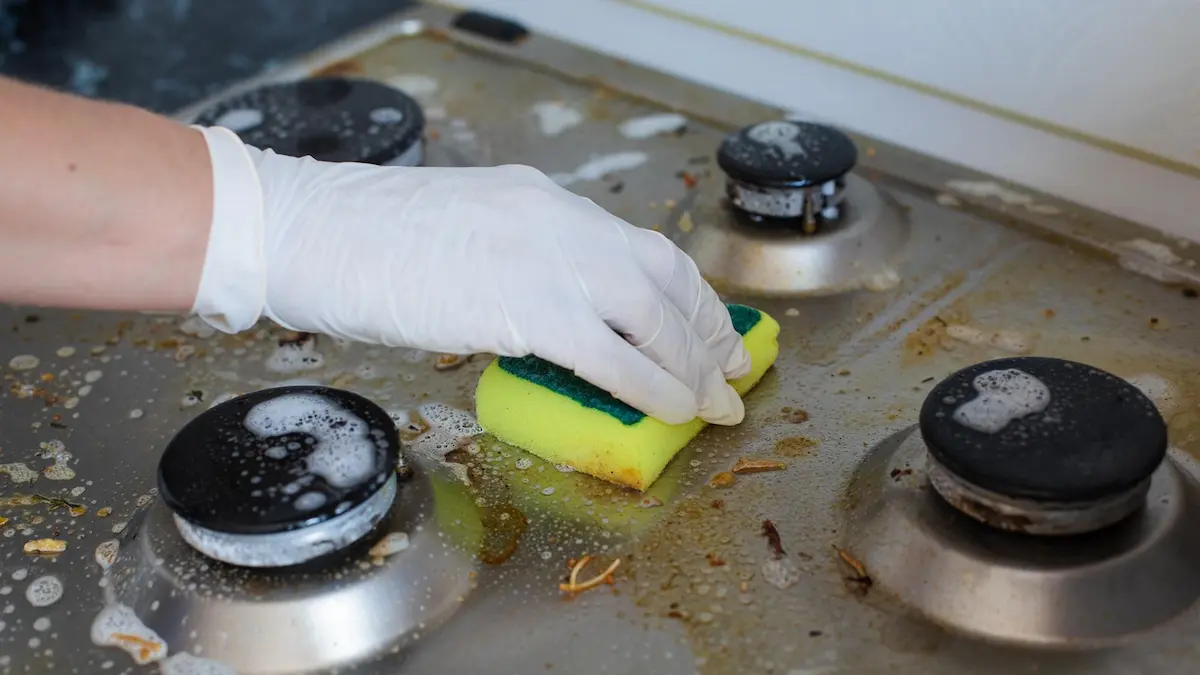
Where the operator controls kitchen assets, identify hoods and exhaust components. Specify each part; work inside tenant kitchens needs approval.
Review technical support and planned maintenance for named common-area assets and sites under a defined agreement.
PAC's assessment approach
The right first step depends on which areas the operator controls, where access is possible and which systems serve the space.
Separate common circulation, individual shops, food court, service corridors, loading and plant areas.
Confirm opening hours, deliveries, tenant approvals, escort requirements and workable service windows.
Review floor finishes, AC inventories, duct drawings, prior pest reports and any relevant water records.
Separate a single task from work that may need recurring visits.
Share enough information for an initial discussion about zones, responsibilities, assets and a possible assessment.
Ask PAC to confirm terms, frequency, tenant permissions and any response arrangements in the written proposal.
Service process
Each stage lets the site team check the scope before work is scheduled.
Provide cities, properties, tenant and common zones, trading hours and issues to review.
Identify floor areas, AC units, ducts, pest activity, food-court assets and access points.
Agree on tasks, included spaces and assets, frequency, approvals, records and exclusions.
Plan around customer traffic, deliveries and tenant activity, subject to access and availability.
Use agreed findings and completion notes to discuss follow-up work or a visit pattern.
Service options
Both arrangements need a defined scope. The proposal should show what is included for each mall or retail location.
| Planning point | One-time work | Recurring contract |
|---|---|---|
| Scope | A named floor zone, asset or task at one site. | Named sites, common zones, assets and services across visits. |
| Timing | One approved access window. | A visit pattern aligned with trading and access hours. |
| Records | Findings or completion notes if included in the work order. | Records and review points stated in the agreement. |
| Exclusions | Unquoted tenant units, assets and follow-up work. | Unlisted shops, kitchens, assets or call-outs unless added. |
Ask PAC to confirm terms, frequency, tenant permissions and any response arrangements in the written proposal. Explore PAC Service Contracts ↗
Saudi Arabia coverage
PAC accepts commercial enquiries across Saudi Arabia. Service availability, site visits and the final scope depend on the city and requested work.
Discuss your locationShare enough information for an initial discussion about zones, responsibilities, assets and a possible assessment.
3688 Khurais Branch Road, Al Rawdah, 13211, Riyadh
Abdulmalik Bin Zahir Street, Al Safa Dist. 23451, Jeddah
info@pac.com.sa
07.00 am - 12.00 am

Plan the next step
PAC can review the sites, spaces and service windows you need covered, then confirm a suitable assessment path.
Questions to settle before mall or retail work is scoped.
Yes. Share the site layout, operating hours and the areas under your control. The proposal can then name the common and tenant spaces included in the scope.
Do not assume they are. Identify each tenant area, its approving contact and the tasks requested. Tenant spaces should be listed explicitly in the proposal.
Share trading hours, delivery windows, security access procedures and tenant approvals. PAC can review suitable timing and confirm it in the proposal, subject to availability.
No automatic inclusion. Comfort-air ductwork and kitchen exhaust are separate systems. Identify the routes and components to be assessed.
It should name the properties, common areas, tenant units if approved, assets, tasks, visit frequency, access arrangements, completion records and exclusions.
Send the city, number of locations, floor plans or zone list, tenant boundaries, floor materials, AC and duct records if available, pest concerns, trading hours and access contacts.